
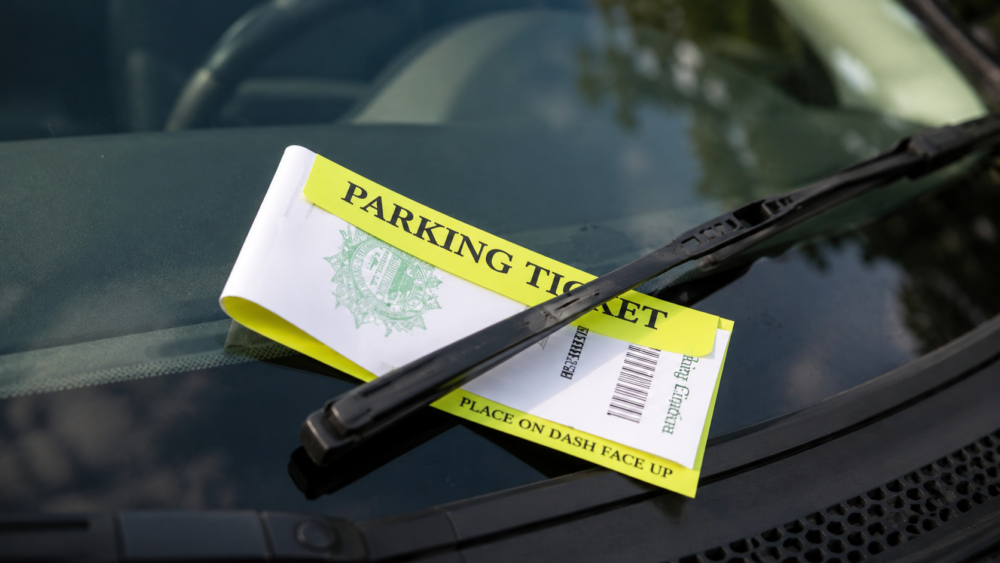
For many people, receiving a traffic ticket creates a simple question: should this just be paid and forgotten about?
In some situations, the answer is yes. Paying a ticket may be the easiest and most practical option. But in others, what seems like a quick solution can create consequences that linger far longer than expected.
Many drivers understandably treat traffic tickets like parking tickets. Pay the fine, move on, and avoid the inconvenience. The problem is that not all traffic violations are created equal. Depending on the circumstances, paying a ticket may mean accepting points on a driving record, increased insurance costs, or even issues involving a driver’s license.
The frustrating part is that many people do not realize those consequences until after the payment has already been made.
Paying the Ticket Often Means Admitting Responsibility
One of the more common misunderstandings surrounding traffic violations is the belief that paying a citation simply makes the issue disappear.
In many situations, paying a ticket may function as an admission of guilt.
That distinction matters.
A speeding ticket, reckless driving citation, or other moving violation may carry consequences beyond the immediate fine. In some circumstances, it can affect insurance rates, driving records, and future penalties if another violation occurs later.
This does not necessarily mean every ticket should be fought. It simply means that paying first and asking questions later is not always the best strategy.
When a Traffic Ticket Might Matter More Than You Think
Not every traffic matter justifies hiring an attorney or appearing in court. Sometimes the practical answer is simply paying the fine and moving forward.
However, there are situations where it may be worth slowing down and considering the bigger picture.
You Already Have Points on Your Record
A single violation may not seem significant on its own. However, when added to an existing driving history, another citation can become more consequential.
Multiple violations can sometimes create license issues or lead to increased insurance premiums. What appears to be a minor inconvenience may become something larger over time.
The Citation Is More Serious Than a Standard Ticket
There is often a meaningful difference between a routine speeding citation and allegations involving reckless driving or more significant moving violations.
Certain charges may involve mandatory court appearances, larger penalties, or longer-term consequences. In these situations, understanding your options before simply paying a fine can be worthwhile.
Your Job Depends on Driving
For some people, driving is not simply a convenience.
Commercial drivers, sales professionals, contractors, rideshare drivers, and others may face professional consequences from certain violations. Even seemingly minor issues on a driving record can sometimes affect employment or insurance eligibility.
In those situations, treating the matter seriously from the beginning often makes sense.
There Are Questions About What Happened
Traffic stops happen quickly. Sometimes details are disputed. Sometimes drivers believe a citation was issued unfairly. Sometimes circumstances are more complicated than they first appear.
That does not automatically mean the ticket disappears, of course.
But it may mean the situation deserves a closer look before immediately accepting responsibility.
The Hidden Cost of “Just Paying It”
The irony of traffic tickets is that the fine itself is often not the most expensive part.
Insurance increases over time can sometimes cost significantly more than the original citation. License complications, missed work for court appearances, or future penalties tied to repeat offenses may create problems long after the original ticket has been forgotten.
In that sense, paying a ticket quickly is not always the same thing as solving the problem.
Sometimes it simply delays understanding the full cost.
Traffic Court Is Often Less Straightforward Than People Expect
Many people assume traffic court is a quick, simple process.
Sometimes it is.
Other times, court appearances involve deadlines, procedural requirements, and decisions that may have lasting consequences.
This is particularly true for more serious traffic-related legal matters or situations involving multiple violations.
Understanding how the process works can help people make more informed decisions rather than reacting quickly under stress.
For drivers dealing with more serious violations or uncertainty about what comes next, learning more about working with a traffic court attorney in New Orleans may help clarify available options.
So, Should You Pay the Ticket?
As with many legal questions, the answer is:
It depends.
A minor citation with little long-term impact may not justify much concern. Other situations may deserve more attention before making a decision.
The important point is simply this: paying a ticket is not always as simple as it appears.
Before assuming the quickest solution is automatically the best one, it may be worth asking what consequences could follow later.
Sometimes a short conversation upfront can help avoid larger headaches down the road.
If you are dealing with a traffic violation, license concern, or court appearance and are unsure what makes sense for your situation, learning more about help with traffic court matters may help you better understand your options.